Recently Northwest Fisheries Enhancement Saved over 400,000 Rainbow Trout from Regulators During a Downturn in Markets from COVID-19
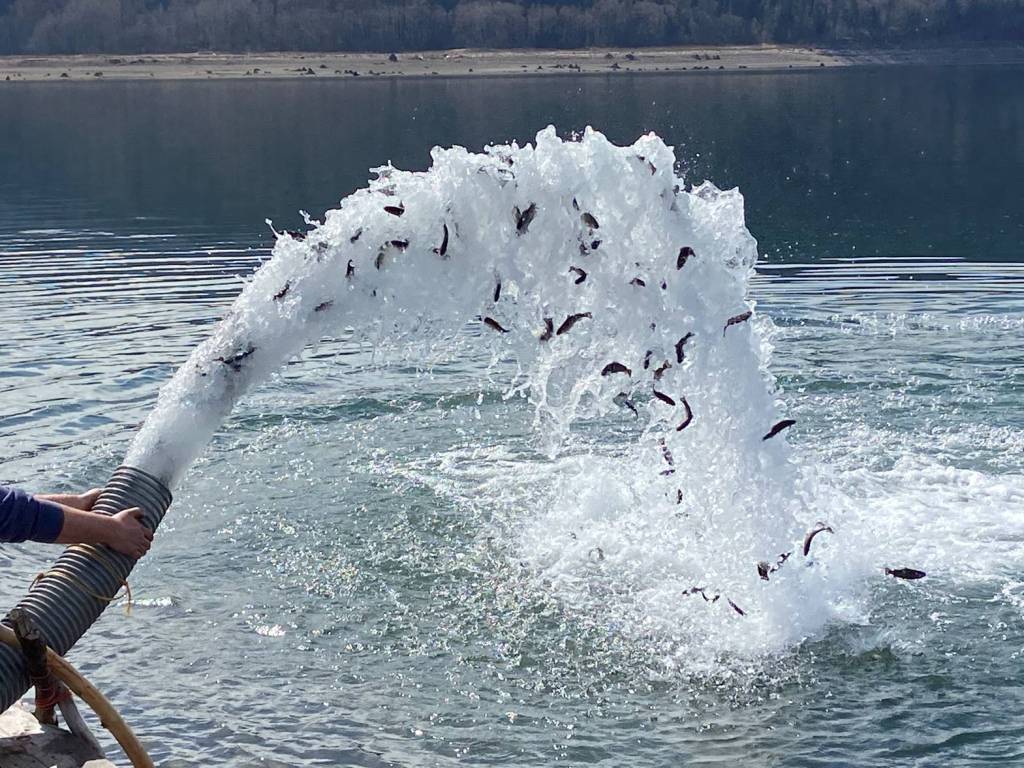
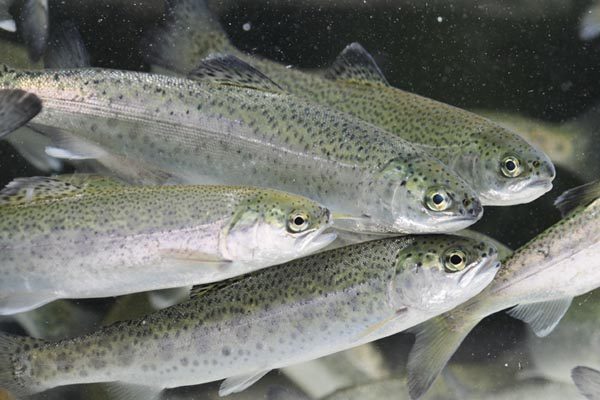
YAKIMA, WA, April 28, 2020 /24-7PressRelease/ — In a collaborative effort between Cooke Aquaculture Pacific, Northwest Fisheries Enhancement- (NWFE), Tacoma Power and Washington Fish & Wildlife (WDFW) saved 400,000 + Rainbow Trout from going to the dump to going to recreational fishermen in Riffe Lake.
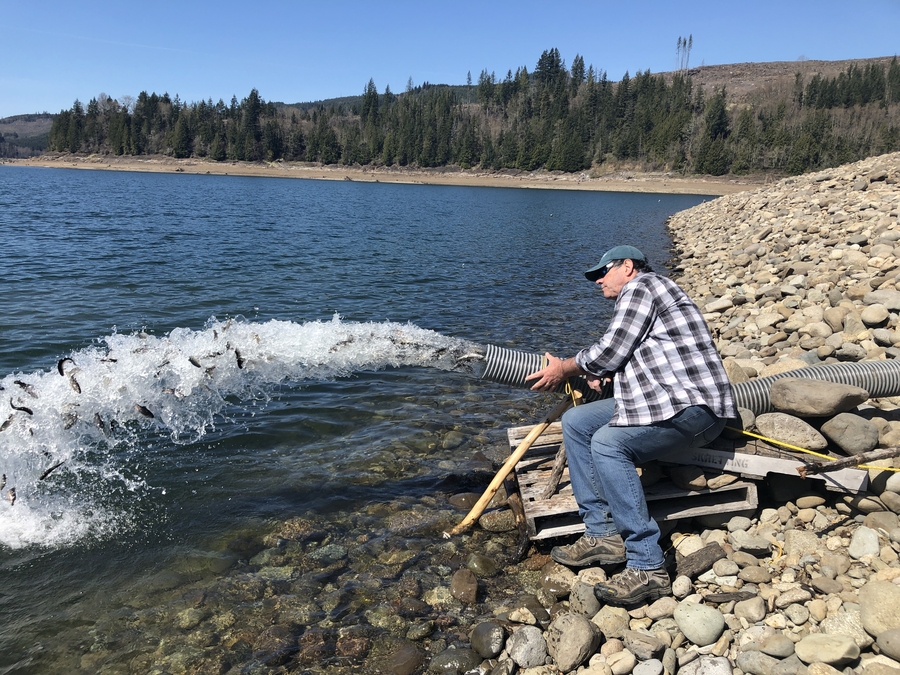
Cooke Aquaculture Pacific at their Skatter Creek Hatchery had raised 400,000+ Rainbow Trout. Cooke had permitting approval from WDFW until another department- Washington Department of Ecology had them postpone, re-permit and that process would add another six to nine months and still tentative. The Trout were to go to Cooke’s net pens for grow out in their Puget Sound net pens, replacing Atlantic Salmon previously grown. Now what to do with 400,000+ rainbow trout, this was the third time and batch of which they had to destroy two others.
NWFE chairman Larry Pryor discovered from Jim Parsons, GM at Cooke Aquaculture Pacific that in a matter of days they were going to have to destroy these fish. Cooke had tried to find any interested groups but no luck. NWFE reached out to groups throughout the Northwest from Utilities, Tribal, State and Federal agencies that might have a need for fishermen. Larry Pryor soon learned that Tacoma Power had a place in Riffe Lake for the fish. Cooke Aquaculture corporate gave the go ahead to hold them for another week to see if NWFE could find a home for them. By doing so Northwest Fisheries Enhancement saved 400,000 rainbow trout from literally being destroyed.
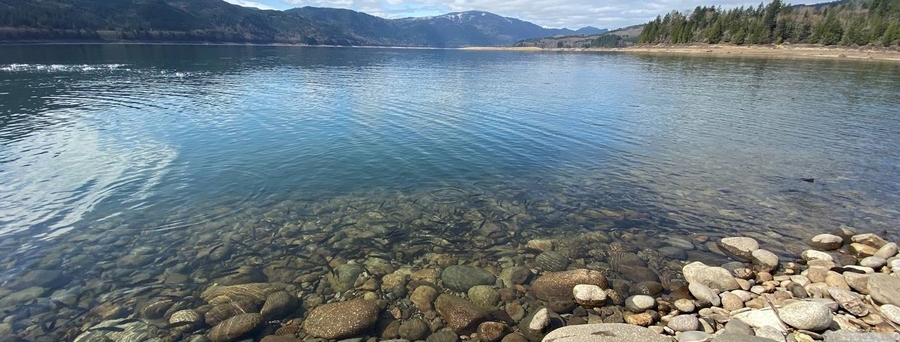
Tacoma Power’s Natural Resources manager Keith Underwood and Cowlitz Salmon Hatchery complex manager Eric Shoblum and other staff got to work and with WDFW cooperation and got the transport permits expedited, WDFW sent pathologist to Skatter Creek hatchery and worked over a weekend to inspect the fish health, ok them for planting. Cooke staff never had a doubt in the fish health, they work with Aquatactics Dr. Hugh Mitchell and these are some of the nicest rainbow trout you’ll find, a Rufus Woods stock of Triploids.
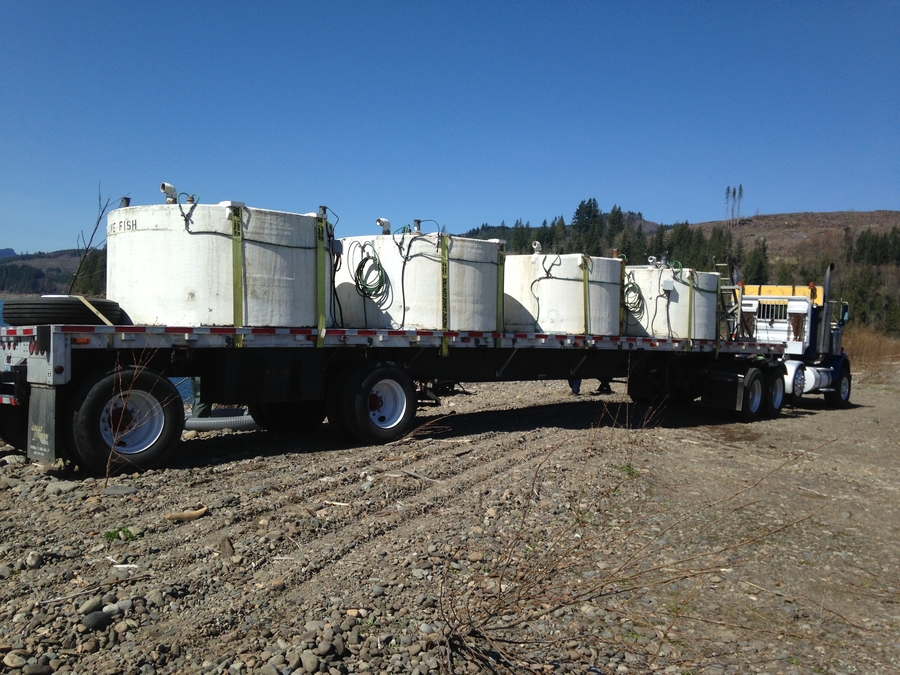
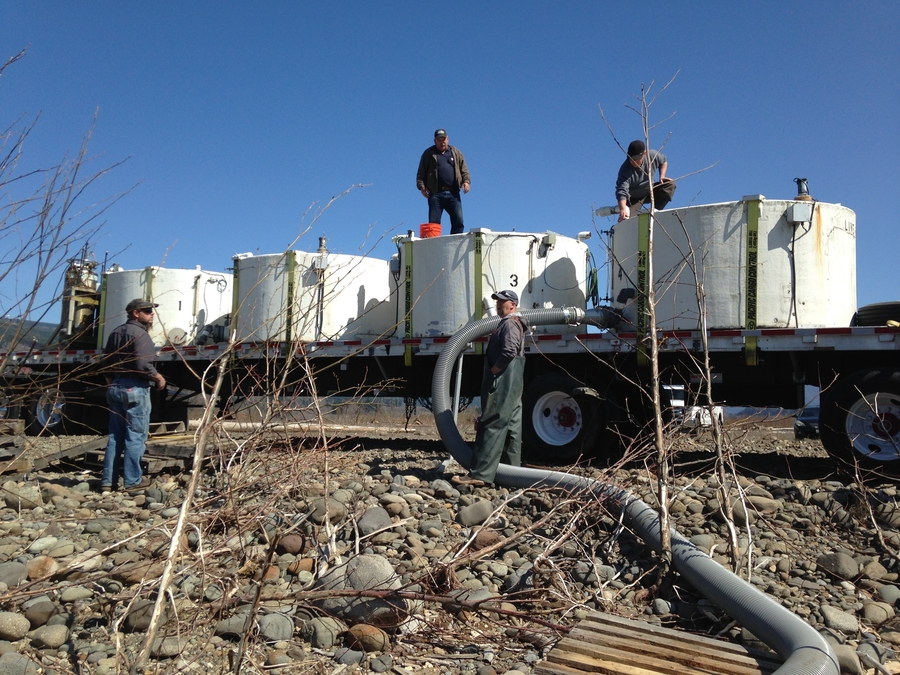
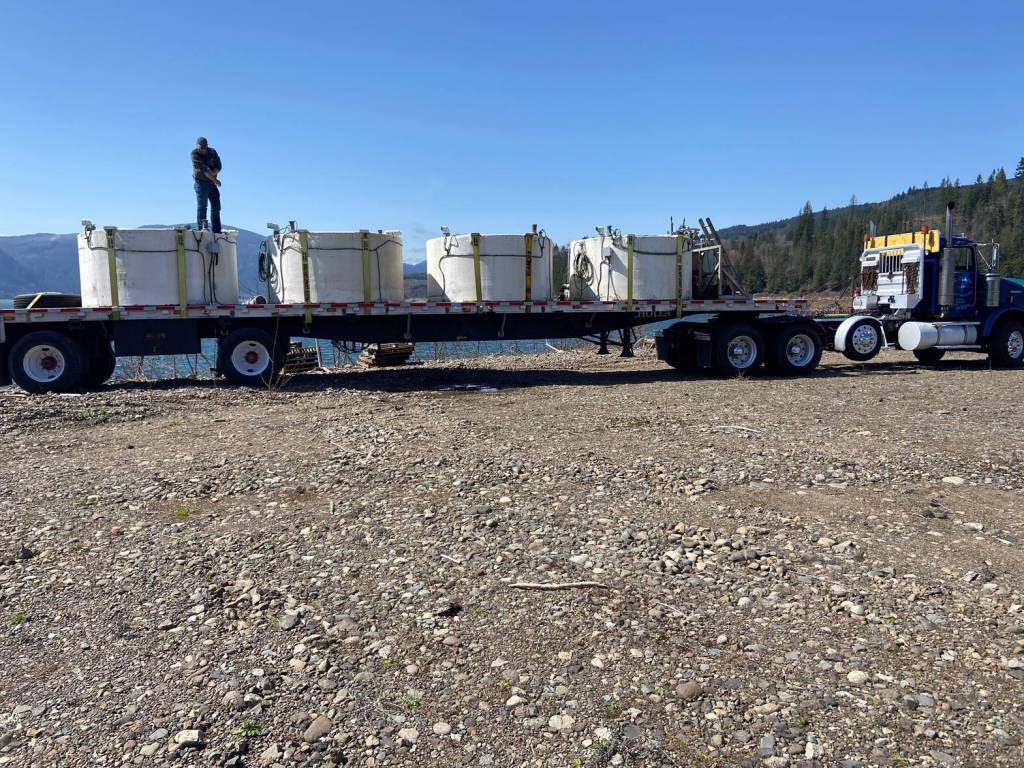
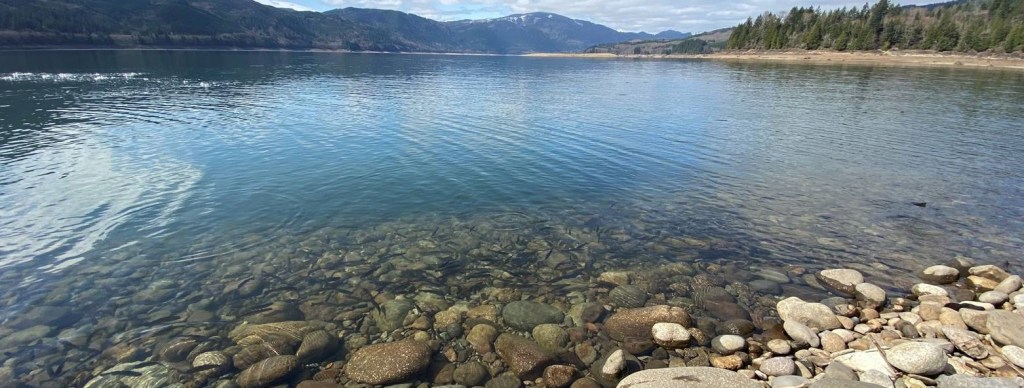
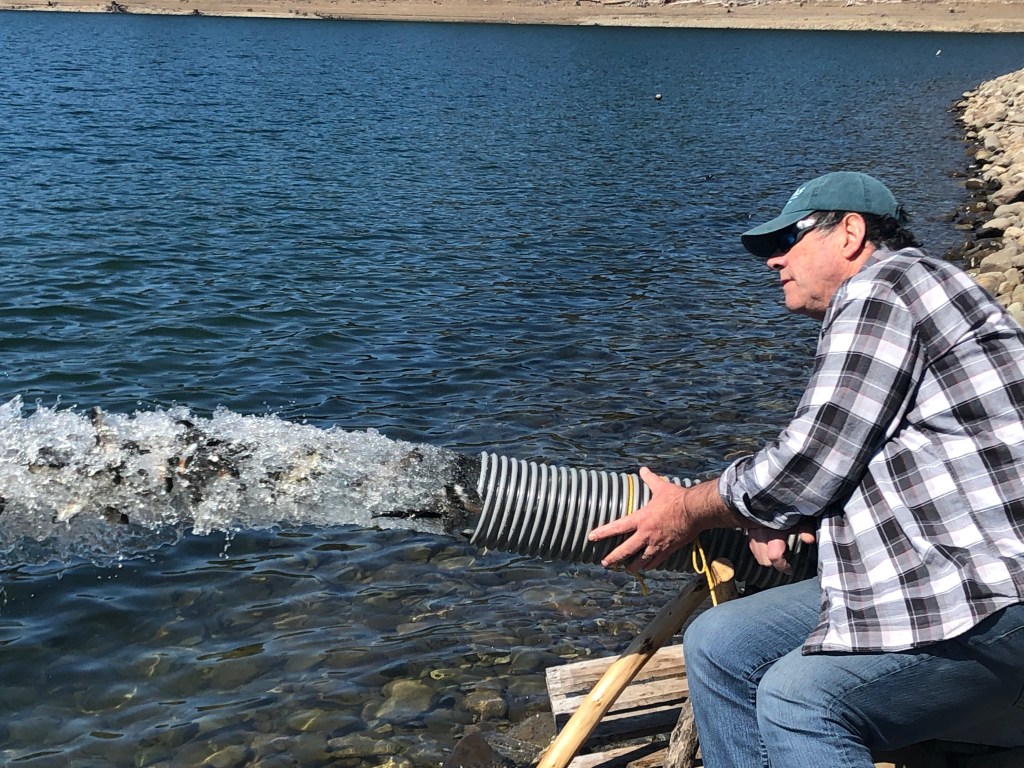
Cooke Aquaculture Pacific staff directed by Doug Simms, freshwater production manager and other Skatter Creek personnel delivered and did the plantings in Riffe Lake at sites above the dam and at the top of the lake near the Kosmos area, The plantings were challenging with the water down easily over 100′ from top of the bank now, long 12″ hoses were ran down to the water. Jim Parsons the GM of Cooke Pacific was at the plantings himself managing the pipe at lakeside with the fish rushing out into the lake!
Larry Pryor of NWFE said “This turned into other opportunities now and Cooke Aquaculture Pacific will be growing more Rainbows for NWFE stocking and planting needs throughout the Northwest for other Recreational Fishermen! These are nice fish, better than what I’ve seen from other suppliers and with the Recirculating Aquaculture System capabilities of Skatter Creek and trout grow-out strategies are what we like to see and can grow to quality release sizes much quicker than others for trophy rainbow trout plantings!”
NWFE would like to add that the Tacoma Power (TP) Natural Resources group really worked hard to make this happen for Riffe Fishermen. From Keith Underwood, TP Natural Resources manager, Eric Shoblum Cowlitz Salmon hatchery complex manager who got the permitting expedited with WDFW, scouted planting sites with Cooke staff, he and his staff from Cowlitz Falls fish collection facility: Chris Foster and others were at the plantings assisting, at one point they had to get someone out from TP lands to inspect the release sites. you would think fish plantings should be easier but in today’s world are much more detailed, TP folks were hard at it to help make these plantings happen!

 These are Riverence or Troutlodge triploid egg stock.





 ocean with the hope of growing to Adults and returning back to the Cowlitz River.
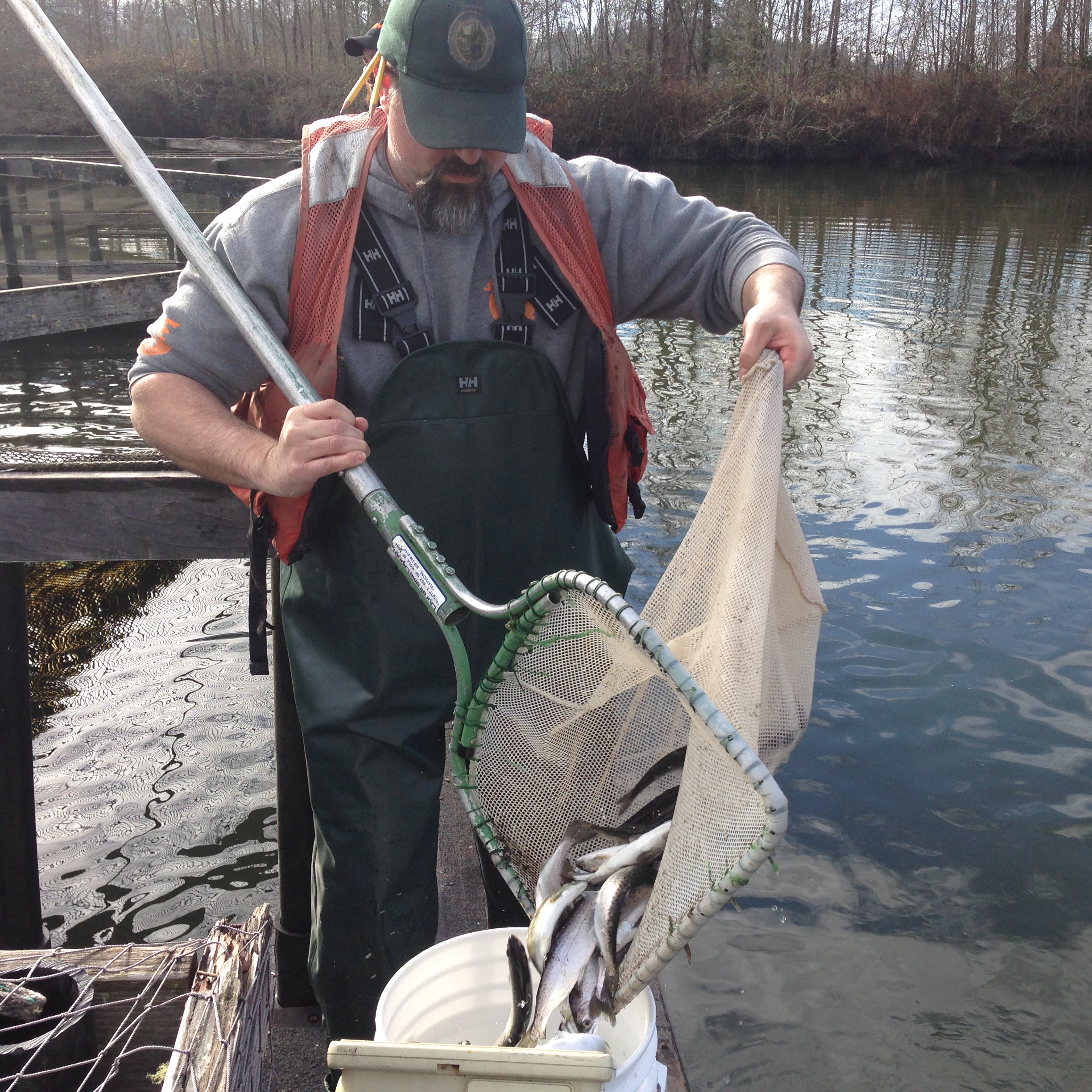 then transported down river about 10 miles by truck by Tacoma Power /wdfw staff at just over 2” in size, to net pens owned and managed by the FOC volunteers where members feed and assist them for the months it takes them to grow to release size until Tacoma Power and WDFW say time to go kids. Tacoma Power provides the fish, feed, support assistance and monitor fish health. FOC volunteers build, clean and manage the net pens and salmon feeding, monitor their growth and health, if any concerns call for assistance. Tacoma Power/ WDFW personnel assist FOC members with the release.
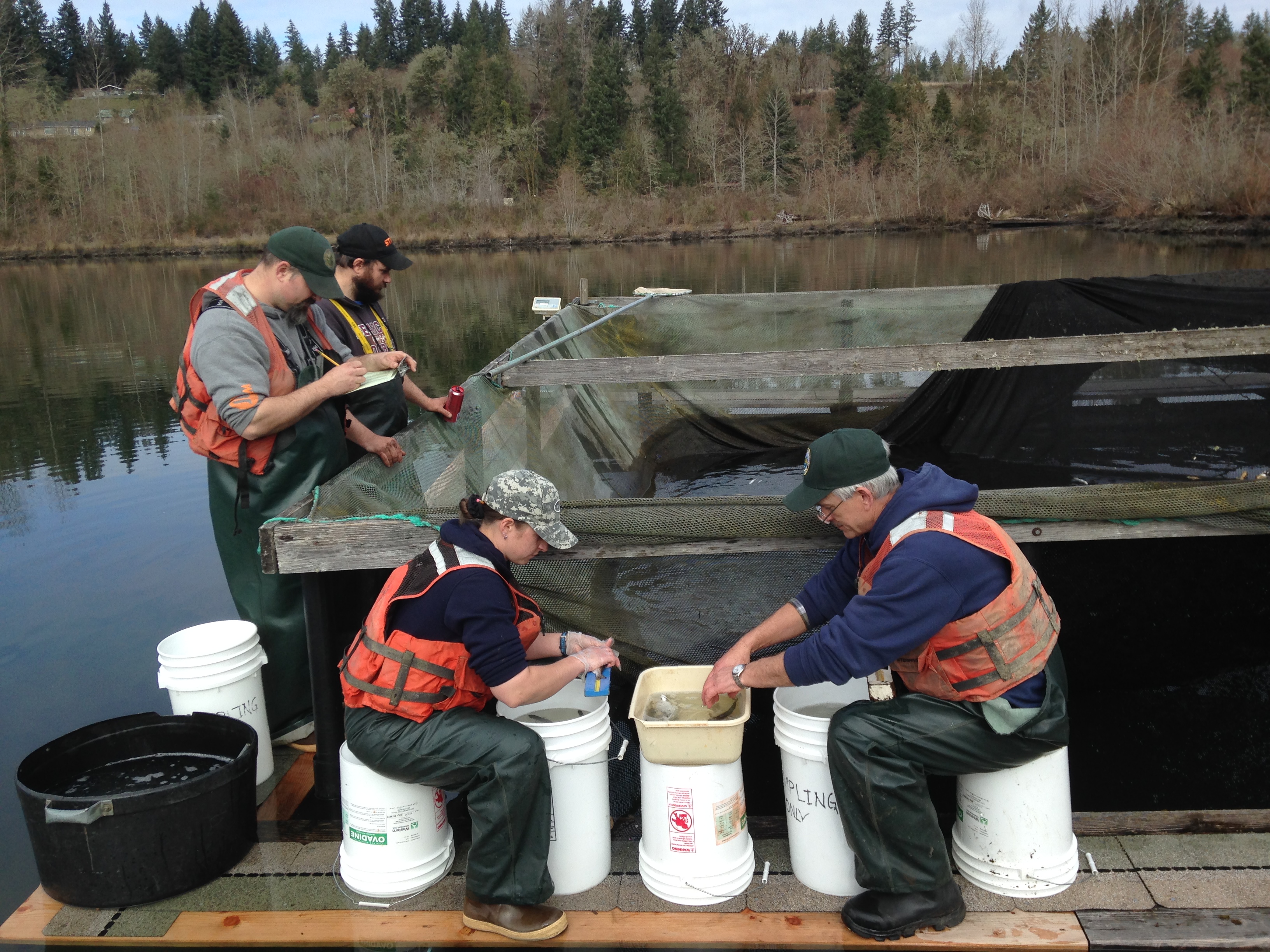 While these are just a small percentage of the fish released by Tacoma Power hatcheries this unique hatchery satellite program helps make a difference.
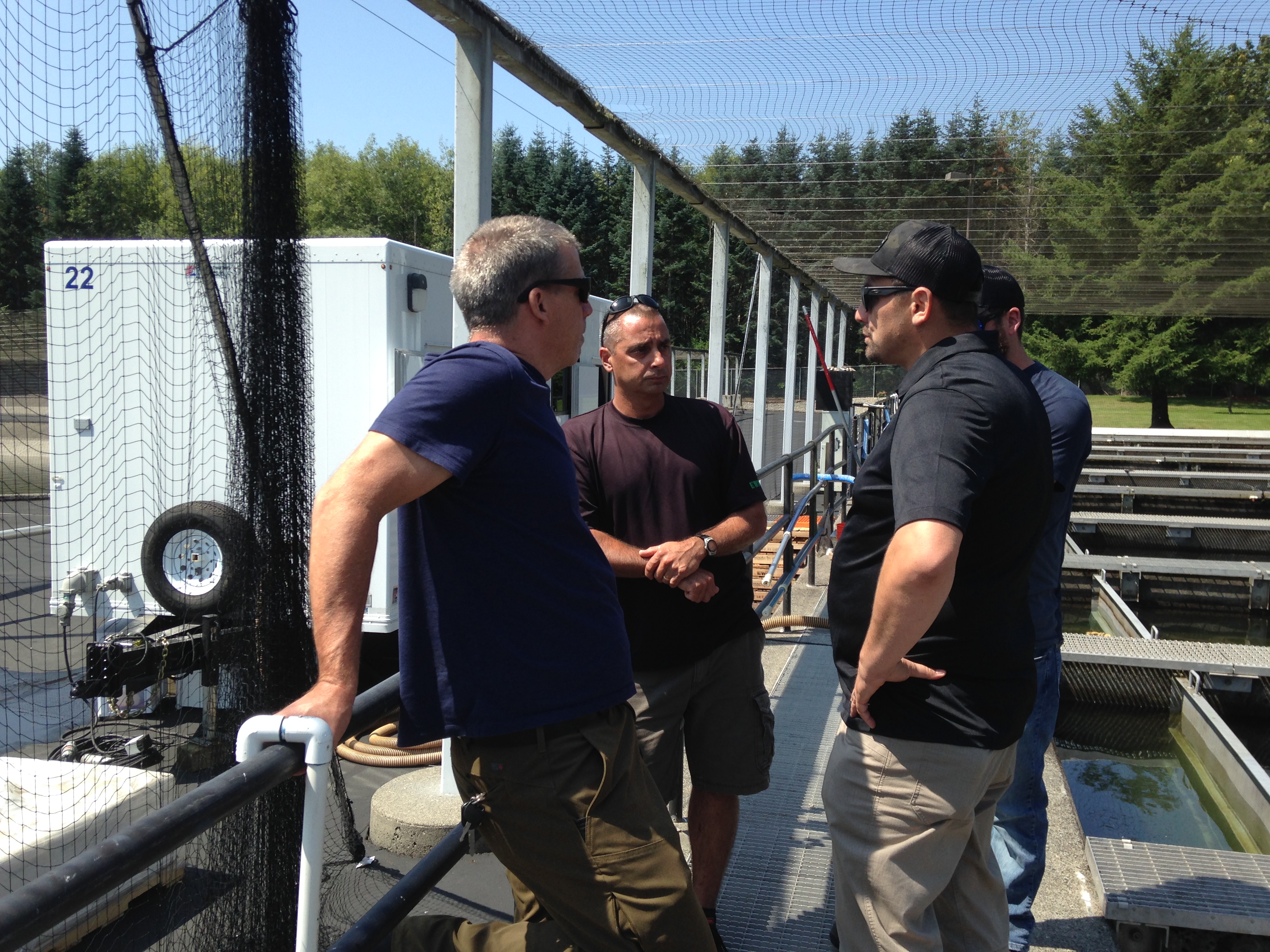
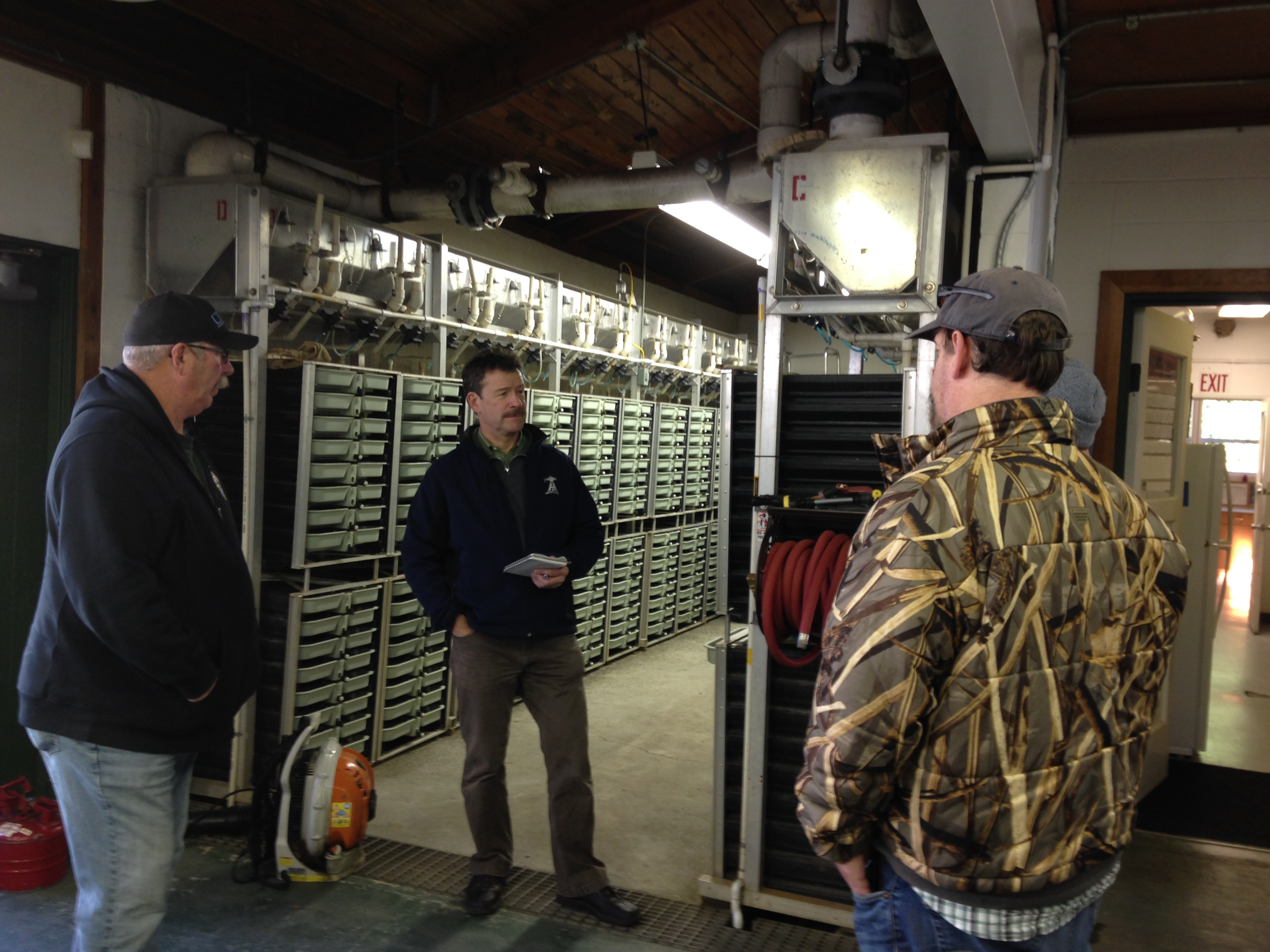
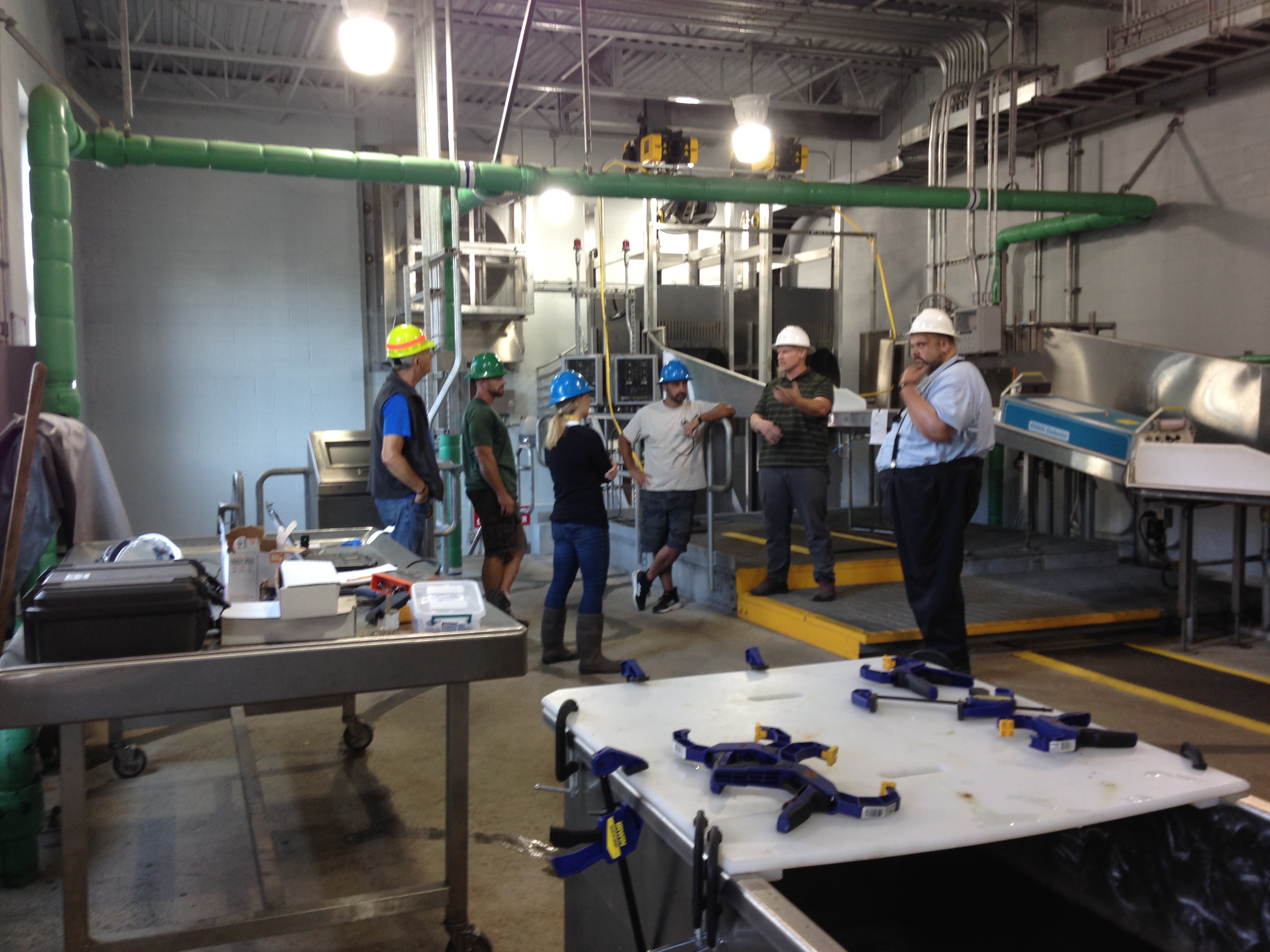
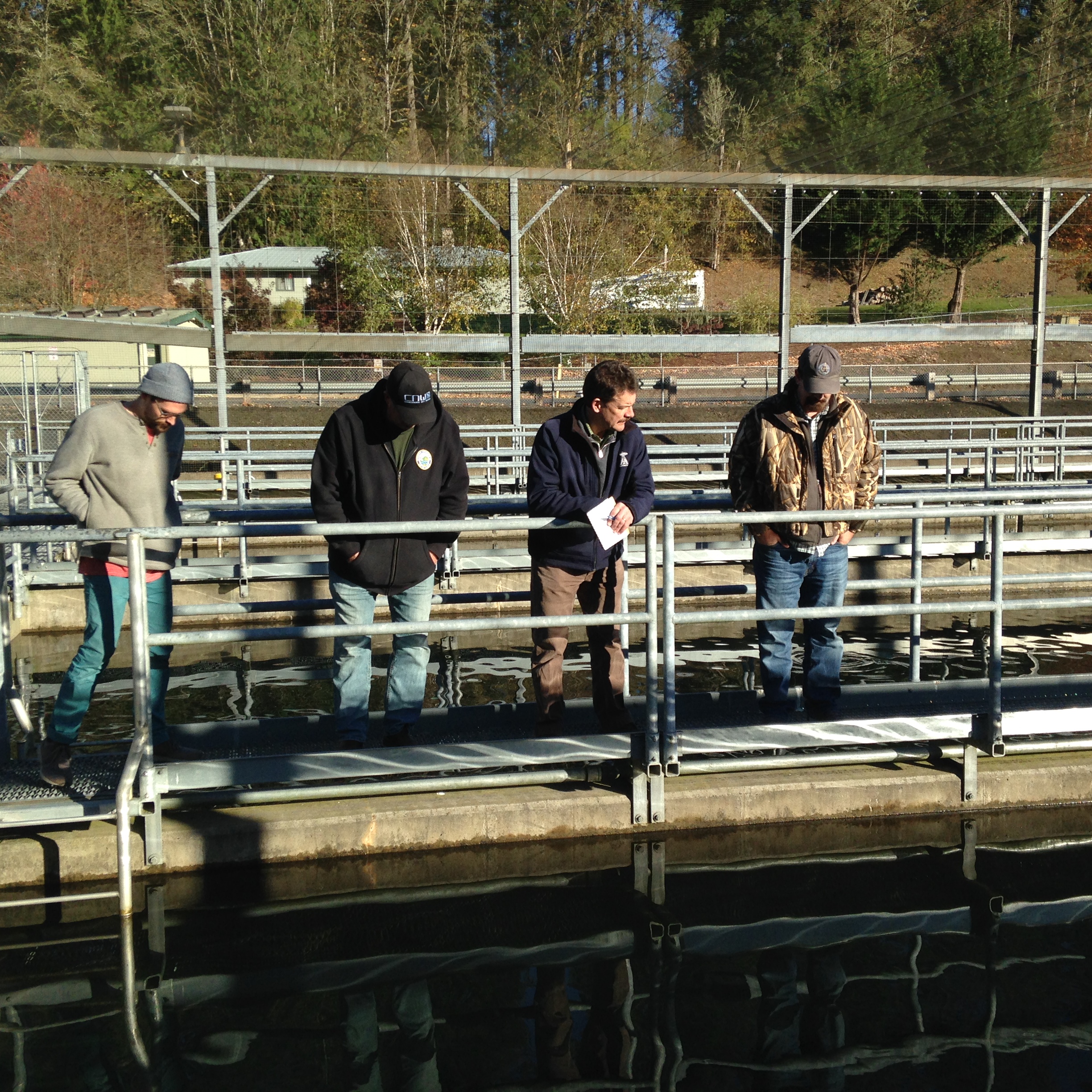
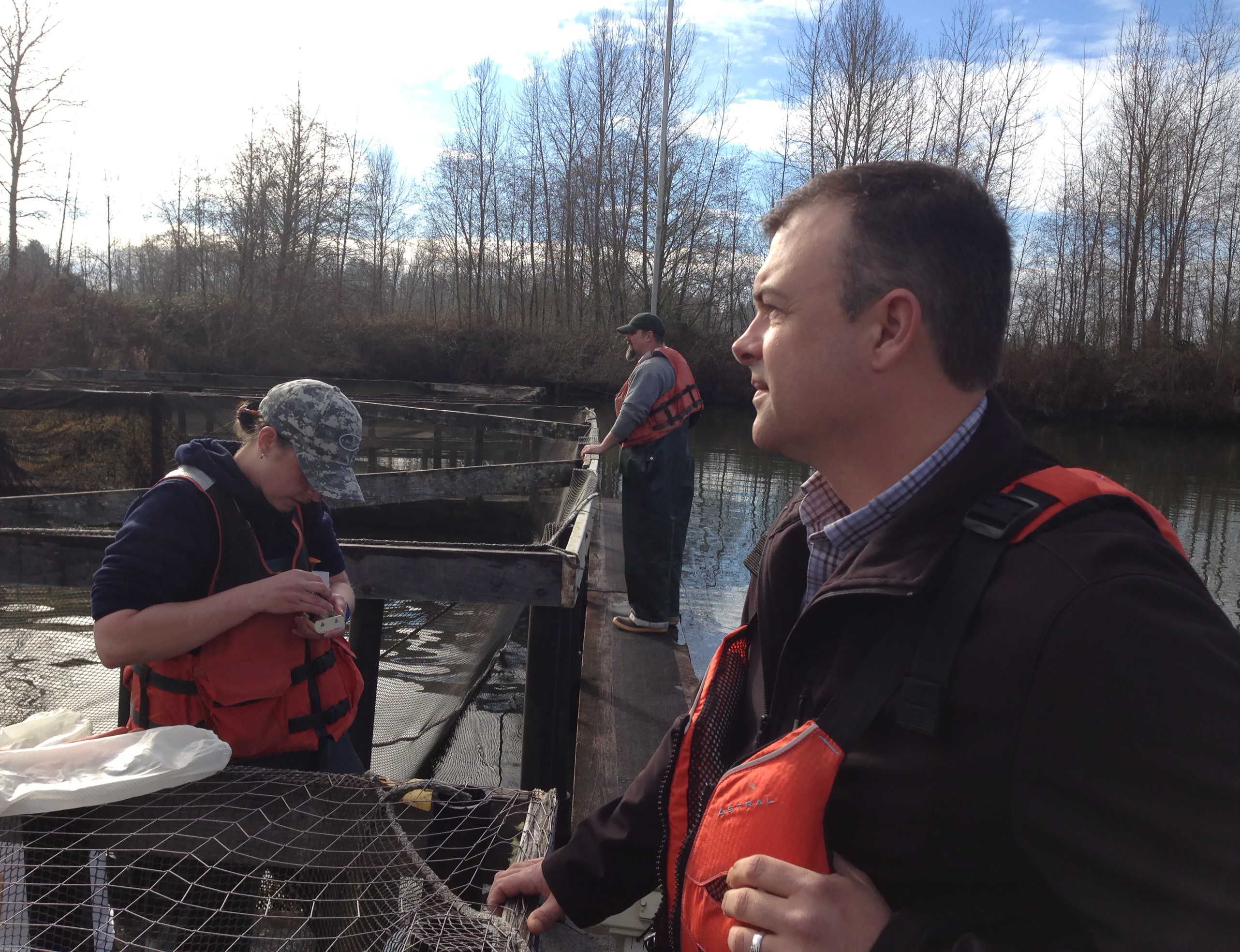 and regulatory planning process. Shoblum has extensive experience in net pens and acclimation sites in other regions, he’s evaluating the effectiveness and how they might add to the efforts of Tacoma Power to increase adult returns to the Cowlitz River. It gets more complicated in today’s heavily regulated fisheries in reporting and the planning process we go through to NOAA and FERC but these types programs may help and we’d like to support them if they can be accepted by the regulator agencies!
 Fisheries Organizations around the Northwest. Acclimation pens, rearing or alternative conservation programs, NWFE portable conservation hatcheries, remote incubator sites all can be done and see results in improved adult fish return of not just hatchery but wild fish born in rivers and this is a great project. Programs like this supported by Public Utilities that have mitigated responsibilities, working with interested groups and CFOs can help make a difference in Salmon and Steelhead adult returns to a river system said Larry Pryor of NWFE and may decrease rate payer costs. Alternate conservation programs that NWFE and CFOs can manage like this collaborative effort can help make a difference. There are a several types of programs around the NW we’re helping and this is a great example of one, Pryor said!
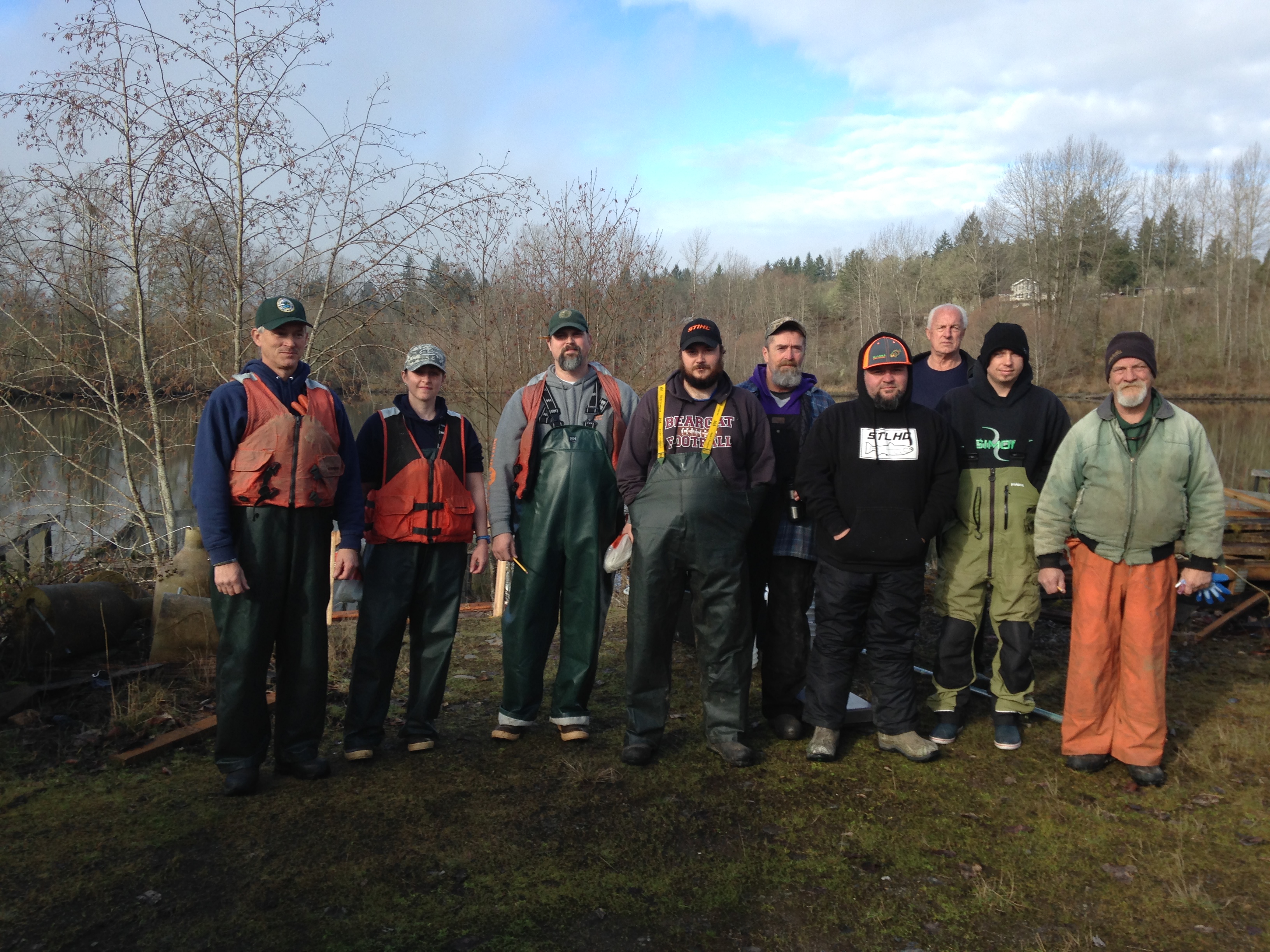
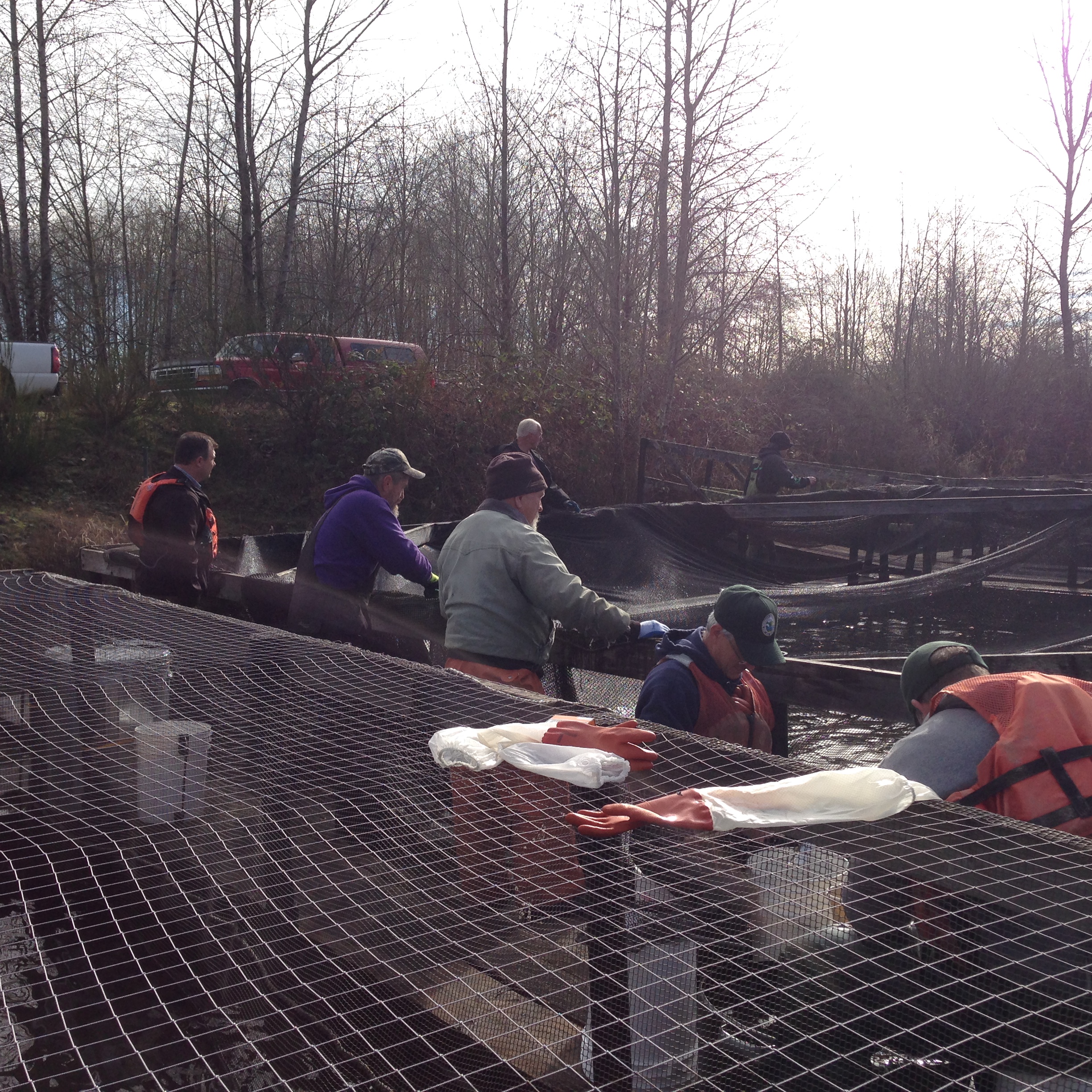 FOC has been assisting in Net Pen rearing for nearly 20 years, a program began by Don Glasier- president of FOC,
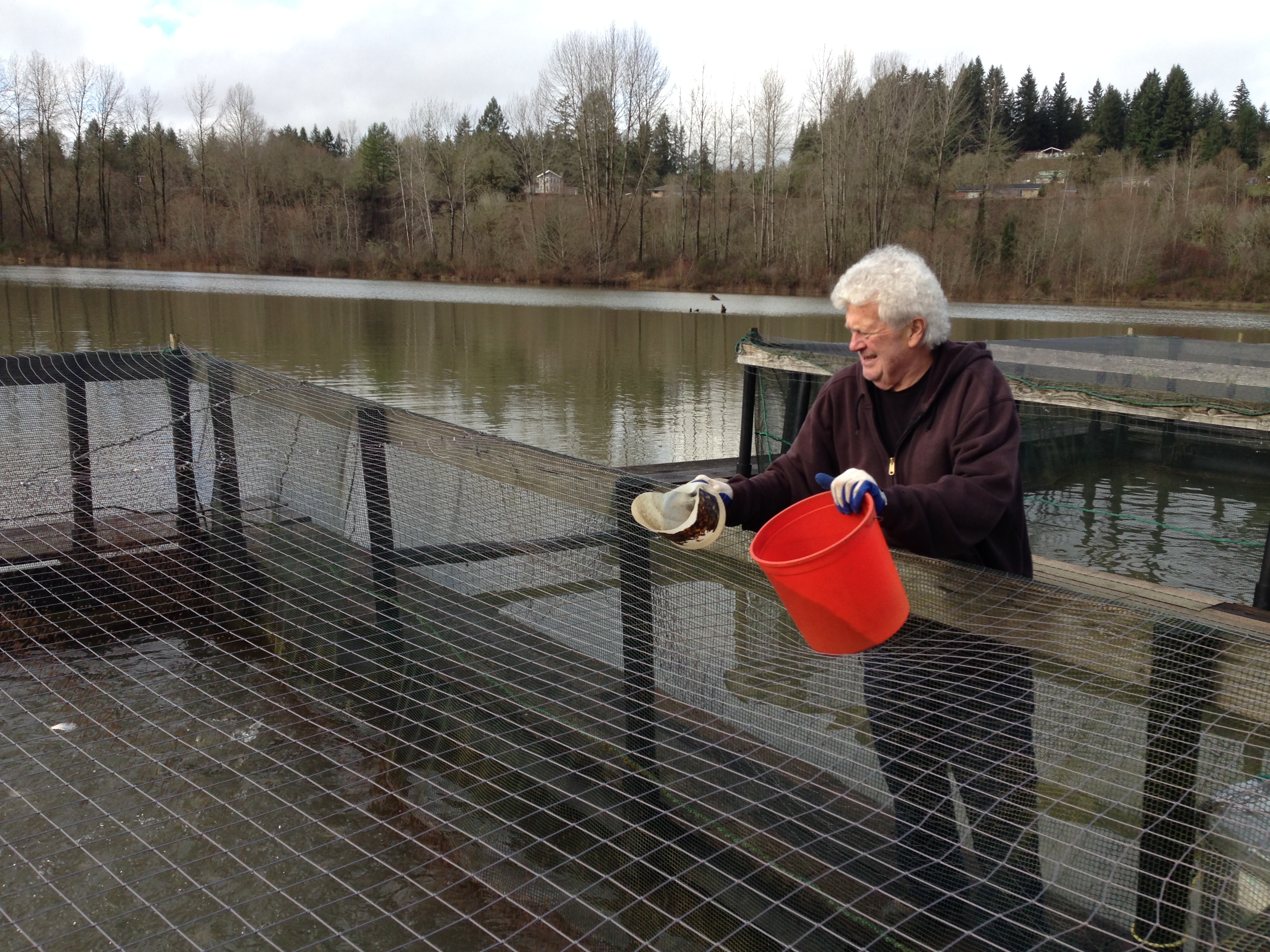 at times as many as 25 net pens along the Cowlitz River with Salmon, Steelhead and Searun Cutthroat Trout, but now just a few pens. In past studies his net pen reared fish have had higher Smolt to Adult Returns (SARs) than the hatchery released fish, he believes due to his and the volunteers attention, The program success is due to the support of Tacoma Power, WDFW and the many volunteers of Friends of the Cowlitz and their supporters.